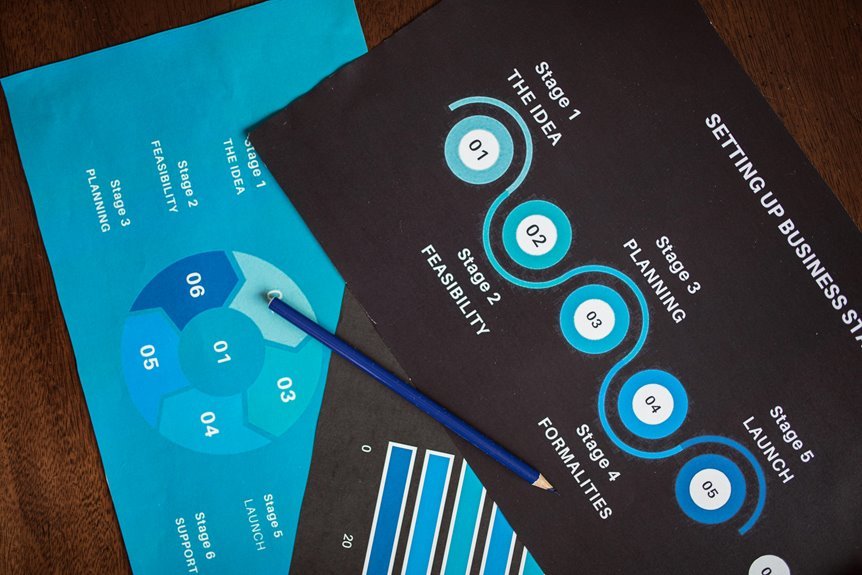
The Executive Market Overview presents an analytical framework centered on identifiers 22266707, 641341704, 5145876786, 432749967, 683782222, and 8324601530. It dissects consumer behavior trends shaped by demographic changes and digital engagement. This overview identifies strategic opportunities for growth while examining the competitive landscape. Understanding these dynamics is crucial for businesses aiming to optimize resources and innovate. What specific trends will emerge as key drivers of market success?
Understanding Key Market Identifiers
How can businesses effectively navigate the complexities of today’s market landscape?
By employing targeted market segmentation strategies, they can identify distinct consumer groups, enhancing product alignment.
Competitive analysis techniques further empower organizations to assess rivals’ strengths and weaknesses, facilitating strategic positioning.
This dual approach not only optimizes resource allocation but also fosters adaptability, enabling businesses to thrive amidst ever-evolving market dynamics.
Analyzing Consumer Behavior Trends
As consumer preferences continue to evolve, understanding the underlying behavior trends becomes essential for businesses seeking to maintain a competitive edge.
Shifts in demographics significantly influence purchasing patterns, revealing increased digital engagement and diverse brand loyalty.
Additionally, heightened price sensitivity necessitates adaptive strategies. Companies must analyze these trends to align offerings with consumer needs, ensuring sustainability in a dynamic market landscape.
Strategic Opportunities for Growth
While navigating the complexities of a rapidly changing market, businesses can identify strategic opportunities for growth by leveraging data analytics and consumer insights.
Effective growth strategies often include market expansion to capture emerging segments, enhancing competitive advantage through innovation, and aligning value propositions with evolving industry trends.
Such initiatives drive revenue generation, ensuring organizations remain agile and responsive to consumer demands, thus fostering sustained growth.
Implications for Business Innovation
What drives innovation in today’s business landscape? The integration of advanced business strategies and robust innovation frameworks is paramount.
Companies leveraging data analytics and market insights can identify emerging trends, facilitating agile responses to consumer demands.
Moreover, fostering a culture of creativity empowers teams to explore unconventional solutions, ultimately enhancing competitive advantage and ensuring sustainable growth in a rapidly evolving marketplace.
Conclusion
In conclusion, the executive market overview serves as a compass, guiding organizations through the turbulent seas of consumer dynamics and competitive landscapes. As demographic shifts act like winds reshaping the sails of market strategies, businesses must harness digital engagement as their vessel for innovation and growth. By aligning products with evolving consumer preferences, companies can navigate toward sustained success, ensuring they remain buoyant amidst the tides of change in a fast-evolving marketplace.