Strategic Growth Intelligence relies heavily on data analysis to inform business strategies. The metrics 937892314, 621293957, 676865144, 6947595151, 1913332000, and 23442922 exemplify the breadth of information available for analysis. Organizations that harness these insights can identify performance indicators and emerging market trends, enhancing their decision-making processes. However, the challenge lies in effectively implementing these data analytics. What specific strategies can businesses adopt to fully leverage this potential?
Understanding Strategic Growth Intelligence
Although the concept of Strategic Growth Intelligence may seem complex, it fundamentally revolves around the systematic analysis of data to inform decision-making processes that drive sustainable business expansion.
This includes effective data interpretation techniques that reveal insights into market trends and customer behaviors.
Growth forecasting relies on these interpretations, enabling organizations to make informed choices that align with their objectives and foster autonomy in their strategies.
Key Metrics for Data-Driven Decision Making
Data-driven decision making relies on the identification and analysis of key metrics that serve as indicators of business performance and growth potential.
Key performance indicators (KPIs) enable organizations to track progress and identify areas for improvement.
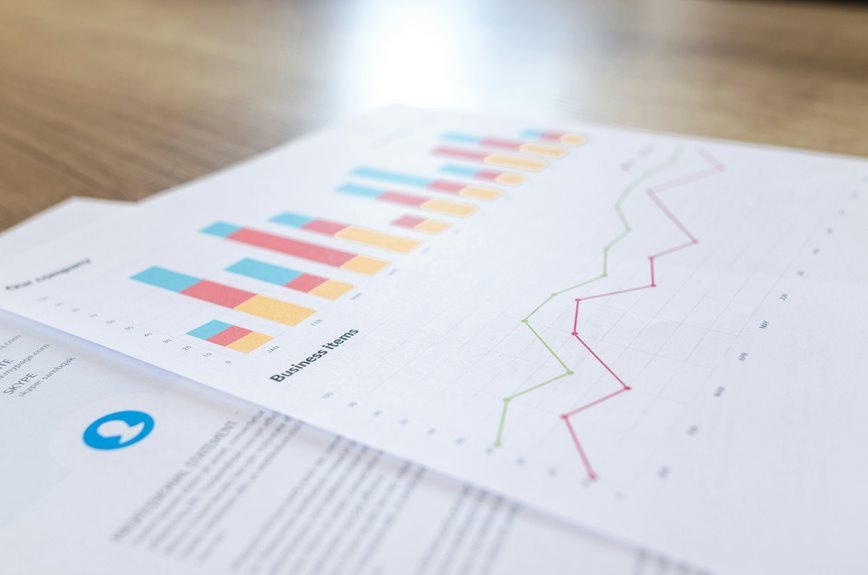
Effective data visualization transforms complex data into actionable insights, empowering leaders to make informed choices that foster innovation and enhance overall organizational freedom and agility.
Implementing Data Analytics in Business Strategy
Integrating data analytics into business strategy is essential for organizations seeking to enhance their competitive edge.
By leveraging data visualization techniques, companies can effectively communicate insights derived from complex datasets.
Furthermore, predictive analytics enables businesses to anticipate market trends and customer behaviors, driving informed decision-making.
This strategic approach fosters innovation, agility, and ultimately, sustainable growth in an increasingly data-driven landscape.
Real-World Examples of Strategic Growth Intelligence in Action
As organizations increasingly embrace strategic growth intelligence, several notable examples illustrate its practical applications and benefits.
Companies leveraging customer segmentation have successfully identified niche markets, leading to targeted marketing initiatives. For instance, a retail brand utilized data analytics for market expansion, uncovering opportunities in underserved demographics.
Such strategic approaches not only enhance revenue streams but also foster customer loyalty and satisfaction through personalized experiences.
Conclusion
In conclusion, Strategic Growth Intelligence serves as the compass guiding organizations through the turbulent seas of market dynamics. By harnessing data metrics like 937892314 and 676865144, businesses can not only navigate but thrive in their pursuit of growth. As decision-makers embrace data-driven strategies, they unlock the potential for innovation and enhanced customer engagement, transforming challenges into opportunities. Ultimately, the journey towards sustainable expansion is not merely a destination but an ongoing expedition fueled by insightful analysis.