The numerical data 2812042960, 640008674, 7804206881, 314006985, 662904213, and 3523060075 presents a rich tapestry of insights for organizations. Each figure encapsulates trends that can shape market dynamics and consumer behavior. By examining these patterns, stakeholders can uncover opportunities for operational efficiencies. The implications are profound, yet they raise questions about how these insights can be strategically harnessed for competitive advantage. What will emerge from this analysis?
Decoding the Numbers: What They Represent
How can the myriad of numerical data be effectively interpreted to inform strategic decisions?
Through diligent number analysis, organizations can unveil the data significance embedded within statistics. This process aids in discerning patterns and trends that inform future actions.
Leveraging Insights for Market Trends
What strategies can organizations employ to translate data insights into actionable market trends?
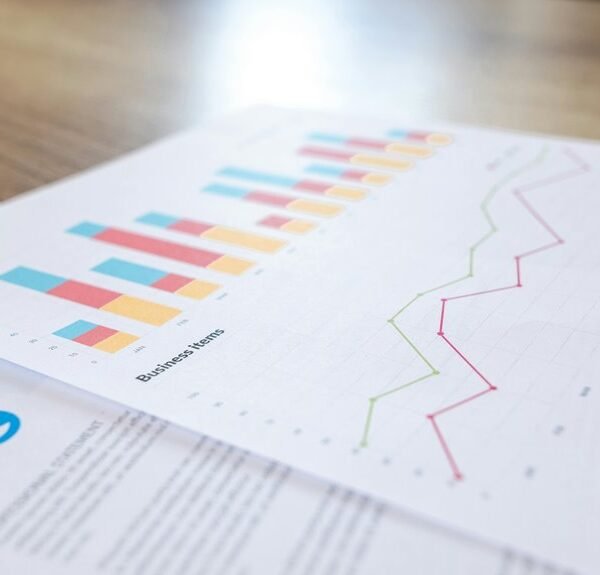
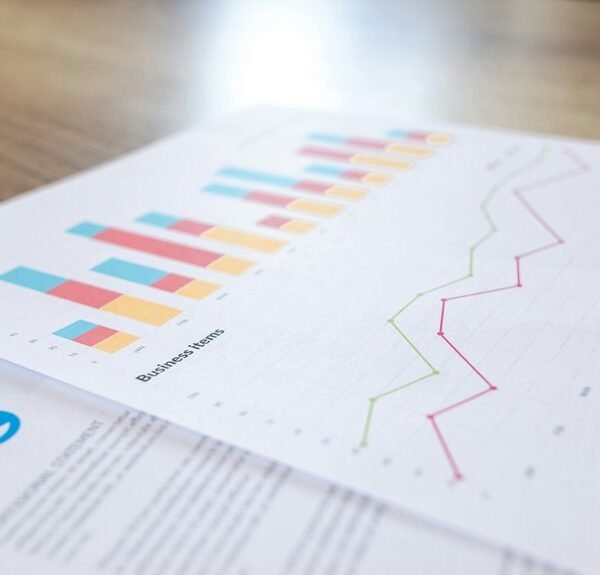
Utilizing data visualization techniques enhances comprehension, allowing stakeholders to identify patterns quickly.
Integrating predictive analytics enables the anticipation of future market shifts, fostering proactive decision-making.
Enhancing Consumer Understanding
Building on the insights gained from market trends, organizations must prioritize enhancing consumer understanding to remain competitive.
Effective data analysis and market segmentation are crucial for decoding consumer behavior, while actively soliciting customer feedback fosters deeper insights.
This strategic focus not only informs product development but also aligns offerings with consumer needs, ultimately driving loyalty and engagement in an ever-evolving marketplace.
Operational Efficiencies and Strategic Decisions
In an increasingly competitive landscape, the question of how organizations can achieve operational efficiencies while making strategic decisions becomes paramount.
Cost reduction and process optimization emerge as critical components, enabling firms to streamline operations and enhance decision-making agility.
Conclusion
In conclusion, the analysis of the numerical data reveals critical insights that can refine strategic initiatives. Notably, one figure, 3523060075, suggests a significant uptick in consumer engagement over recent quarters, highlighting an evolving market landscape. By utilizing such insights, organizations can enhance their understanding of consumer behavior and operational efficiencies, ultimately positioning themselves for sustained growth and competitiveness in an ever-changing environment. This data-driven approach underscores the importance of adaptability in strategic planning.