Advanced analytics and benchmarking serve as pivotal tools for organizations aiming to refine their operational effectiveness. By applying sophisticated analytical methods, businesses can sift through intricate data sets to unearth valuable insights. Meanwhile, benchmarking against established industry metrics allows firms to evaluate their performance systematically. This interplay between analytics and benchmarking raises critical questions about how companies can leverage these insights for strategic advantage and what steps they must take to foster a data-driven culture.
Understanding Advanced Analytics
Advanced analytics encompasses a suite of techniques and tools that enable organizations to derive deeper insights from data, moving beyond traditional descriptive analytics.
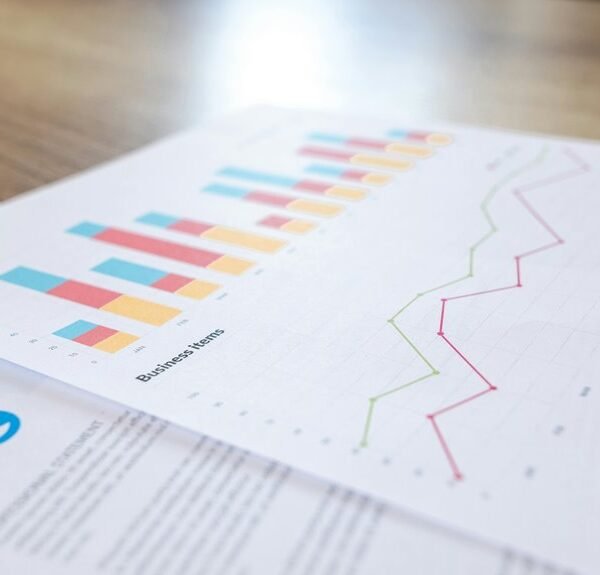
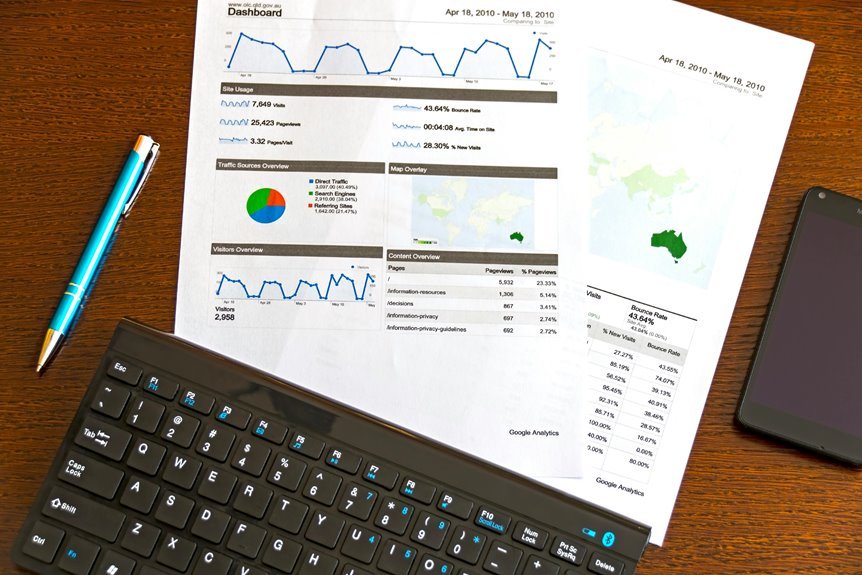
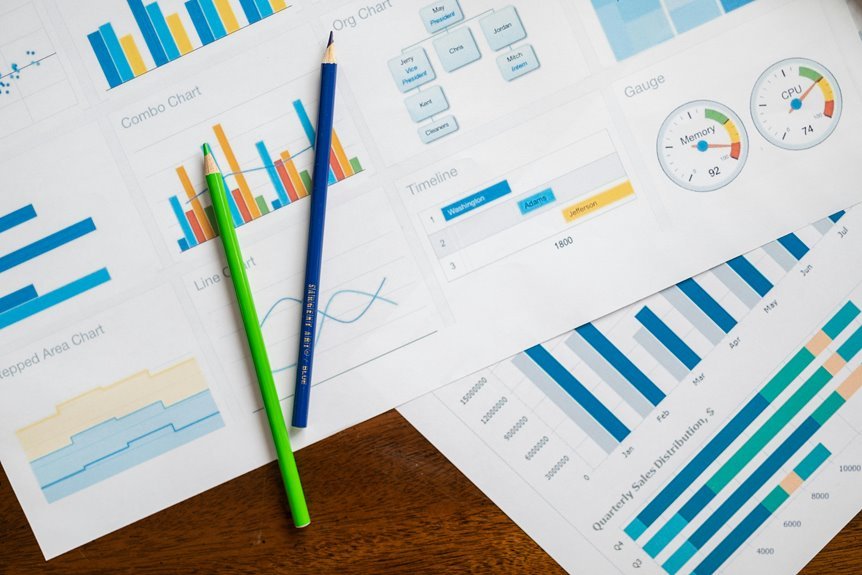
It includes predictive modeling, which forecasts future trends based on historical data, and data visualization, which presents complex information in accessible formats.
Together, these methods empower organizations to make informed decisions, fostering a culture of data-driven freedom and innovation.
The Role of Benchmarking in Business
Benchmarking serves as a critical tool for organizations seeking to evaluate their performance against industry standards and best practices.
Through systematic performance measurement, businesses can identify gaps and opportunities for improvement.
Additionally, competitive analysis enables firms to understand their positioning in the market, fostering strategic decision-making.
Ultimately, benchmarking empowers organizations to enhance operational efficiency and drive sustainable growth in a dynamic business environment.
Interpreting Complex Data Sets
Organizations that engage in benchmarking often encounter complex data sets that require careful interpretation to extract meaningful insights.
Effective data visualization techniques and robust statistical methods are essential in this process. By employing these tools, organizations can clarify trends, identify anomalies, and facilitate informed decision-making, ultimately enhancing their competitive advantage.
Mastering this interpretation fosters a deeper understanding of data-driven performance metrics.
Transforming Insights Into Actionable Strategies
Transforming insights into actionable strategies requires a systematic approach that aligns data-driven findings with organizational goals.
Effective implementation of data visualization techniques enhances comprehension, enabling stakeholders to grasp complex information swiftly.
Conclusion
In conclusion, the integration of advanced analytics and benchmarking serves as a compass for organizations navigating the turbulent seas of modern business. By interpreting complex data sets and systematically evaluating performance against industry standards, companies can chart a course toward sustainable growth. This data-driven approach not only illuminates trends and performance gaps but also transforms insights into actionable strategies, fostering innovation and ensuring competitiveness in an ever-evolving marketplace.